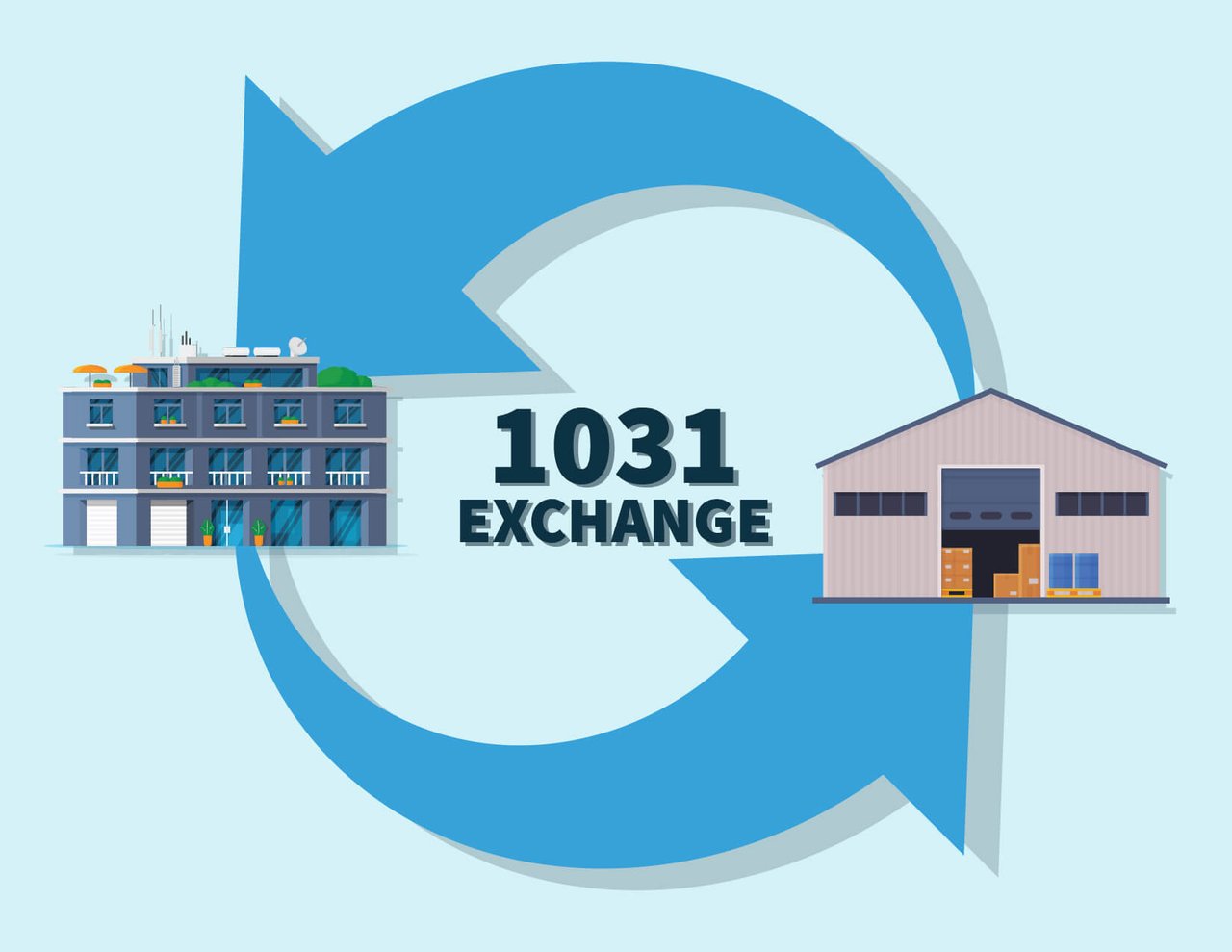
A failed 1031 exchange can feel like a major setback for real estate investors. After all, the primary benefit of a 1031 exchange is the ability to defer capital gains taxes when selling an investment property and reinvesting the proceeds into another property.
Named after Section 1031 of the Internal Revenue Code, this strategy allows investors to build wealth by continuously reinvesting profits—similar to how tax-deferred retirement accounts like 401(k)s or IRAs grow over time.
But sometimes exchanges don’t go as planned.
In fact, about 8–10% of 1031 exchanges fail to complete, often due to strict IRS timelines or challenges finding suitable replacement properties.
The good news? A failed exchange doesn’t have to mean financial disaster. With the right strategy, investors can often minimize the tax impact and sometimes even salvage part of the exchange.
Let’s look at why exchanges fail and what options may still be available.
Common Reasons 1031 Exchanges Fail
The IRS places strict timelines and rules on 1031 exchanges. The most common reasons transactions fall apart include:
-
Missing the 45-day identification deadline for replacement properties
-
Failing to close within the 180-day exchange period
-
Not finding a suitable like-kind replacement property
-
Purchasing a replacement property worth less than the relinquished property
When an exchange fails, the investor typically receives the proceeds from the sale and must recognize the capital gain—triggering a tax bill.
However, there are strategies that may help reduce or delay that tax burden.
Strategy #1: The Tax Straddling Approach
One lesser-known strategy involves what’s often called “tax straddling.”
If a property sale occurs within 180 days of the end of the tax year, the exchange period may extend into the following year.
During a 1031 exchange, the sale proceeds are held by a Qualified Intermediary (QI) until a replacement property is purchased or the exchange period ends. In a tax straddle scenario, those funds may not be released to the investor until the following year.
This timing difference can potentially push the taxable event into the next tax year, providing additional time for tax planning and financial preparation.
Strategy #2: The Installment Method
If a 1031 exchange fails, investors may still be able to delay tax recognition using the installment method.
Under this approach, capital gains are recognized in the year the taxpayer actually receives the cash, rather than the year the property was sold.
Because exchange proceeds are held by the Qualified Intermediary until the exchange period expires, this can potentially defer recognition of the gain by one year.
While this doesn’t eliminate the tax liability, it can create valuable breathing room for planning.
Important Requirement
The installment method only applies if the investor made a genuine attempt to complete the exchange. The IRS may deny the strategy if there was no legitimate intent to purchase replacement property.
To protect against this, it’s essential to maintain proper documentation, such as:
-
Communications with brokers or advisors
-
Replacement property identification forms
-
Inspection reports and due diligence documents
-
Records explaining why the exchange ultimately failed
When an Exchange Can Still Be Saved
Even when things don’t go perfectly, an exchange may still be partially successful.
Partial 1031 Exchange
Investors can still defer taxes on the portion of proceeds reinvested into replacement property.
However, any unused proceeds—known as “boot”—will be subject to capital gains tax.
Purchasing Multiple Replacement Properties
In some cases, purchasing multiple replacement properties can help investors reinvest all exchange proceeds and avoid leftover taxable funds.
Understanding Key Tax Straddle Windows
Certain timing windows during the year create opportunities for tax straddling if an exchange fails.
Two common periods include:
November 17 – December 31
If the relinquished property closes during the final 45 days of the year and replacement properties are not identified within the identification window, the proceeds may not be released until the following year.
July 5 – November 16
If replacement properties are identified but the transaction fails to close within the 180-day exchange period, the exchange may also extend into the following tax year.
These windows can provide opportunities for investors to manage their tax exposure more strategically.
The Bottom Line
A failed 1031 exchange can be frustrating—but it doesn’t necessarily mean the opportunity is lost.
With strategies like tax straddling, installment reporting, partial exchanges, and diversified replacement purchases, investors may still be able to reduce the financial impact and position themselves for future investments.
Working with experienced real estate and tax professionals can make all the difference when navigating these complex situations.