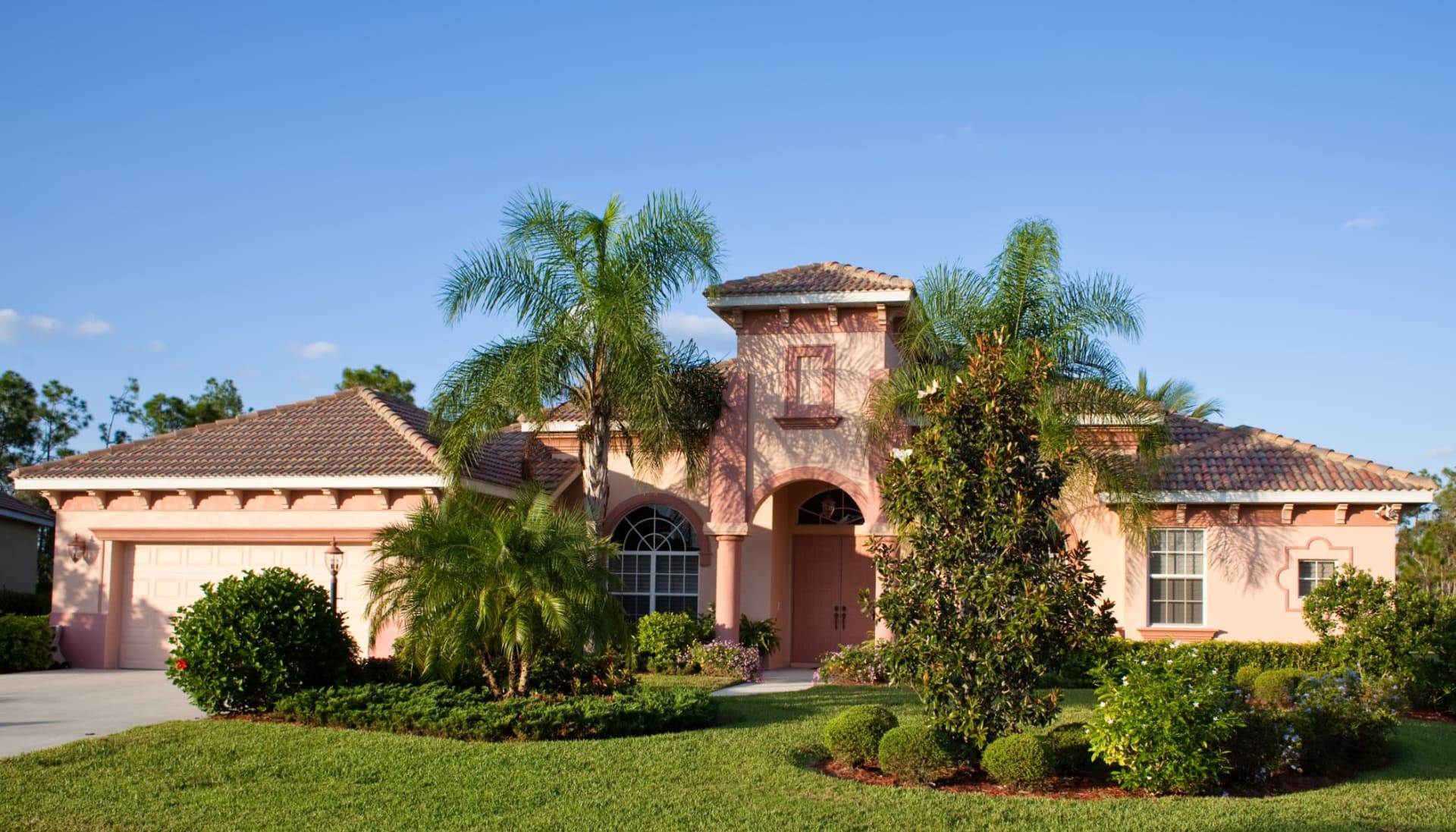
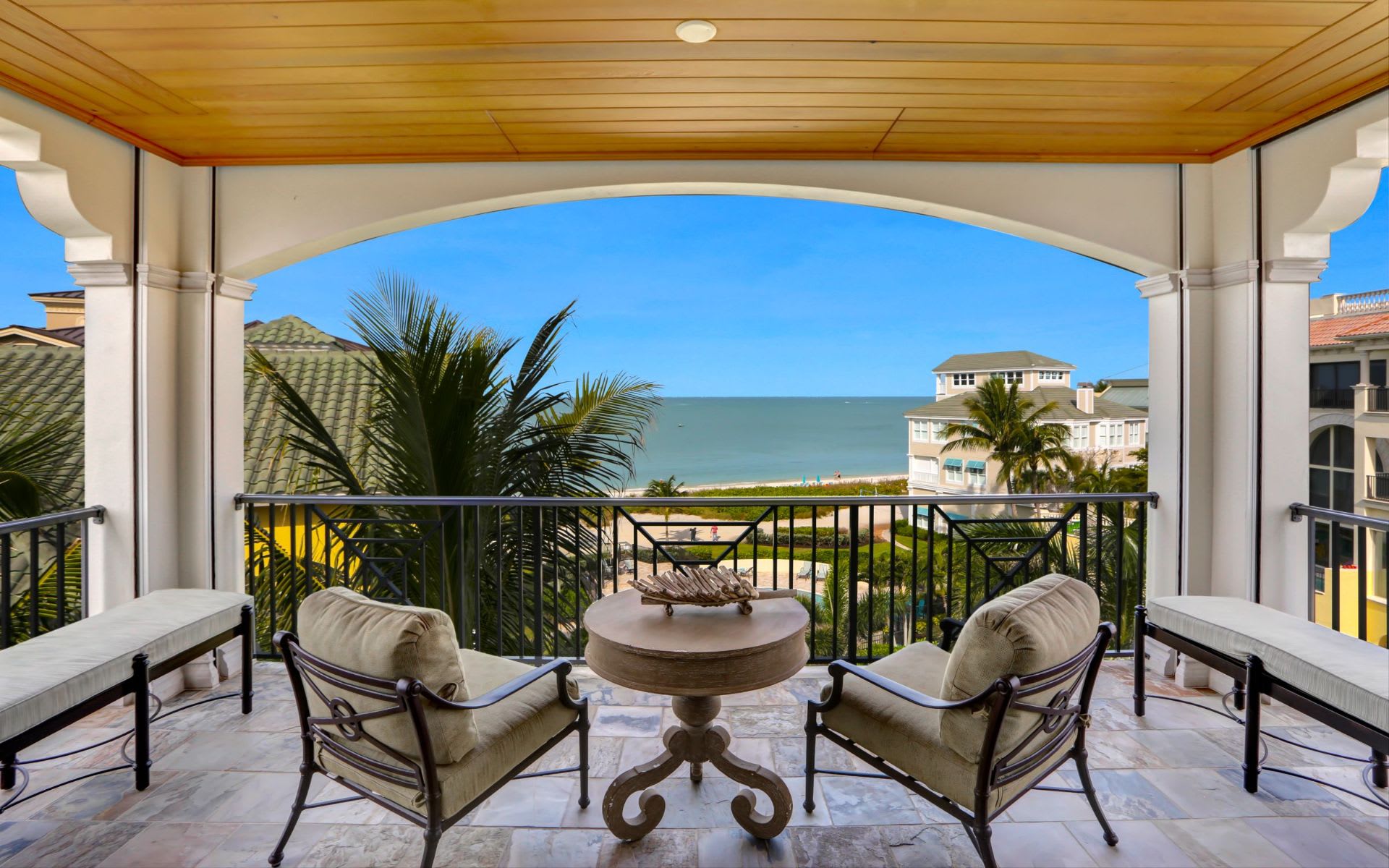
Florida’s real estate market is constantly evolving. It shifts with interest rates, government policies, lifestyle trends, and economic conditions. As we move deeper into 2026, several powerful forces are lining up that could reshape how people buy, sell, and invest across the state.
Some of these changes are already happening. Others are still unfolding. Either way, they will play a major role in what the market looks like going forward.
Mortgage Rates Are Reshaping Buyer Behavior
The era of ultra low mortgage rates is officially behind us. For the first time since the pandemic, more homeowners now carry mortgage rates above 6 percent than below 3 percent. That is a major psychological and financial shift.
What does this mean in real life? Buyers are becoming more strategic. They are no longer rushing into homes out of fear of missing out. Instead, they are negotiating, asking for concessions, and taking their time. Sellers are no longer guaranteed multiple offers within days of listing. Inventory is slowly increasing because life keeps happening. People still get married, divorced, have kids, change jobs, and relocate, even when rates are high.
Despite elevated rates, buyers are still entering the market. That tells us demand is real and not just fueled by cheap money. Economists also point out that even a small drop in mortgage rates could unlock millions of new buyers nationwide. If rates dip into the mid five percent range, we could see a noticeable surge in activity.
Builders Are Increasing Inventory Across Florida
One of the biggest changes happening right now is on the supply side. Builders across Florida have dramatically ramped up construction. After years of underbuilding, they are finally catching up to population growth.
You are seeing this most clearly in master planned communities, suburban expansions, and emerging neighborhoods. Builders are offering incentives like rate buy downs, closing cost credits, and price reductions because they want to move inventory. In some cases, new construction homes are actually cheaper than resale homes, which almost never happens historically.
This is a game changer for buyers. They have more choices, less competition, and access to brand new homes with warranties and energy efficiency. For sellers, this creates real competition. You are no longer just competing with your neighbor’s house. You are competing with shiny new homes that come with builder perks. Pricing and presentation matter more than ever.
Affordable Housing Is Finally Being Addressed
Florida has a well documented housing shortage, especially for entry level buyers. Builders are starting to respond by focusing on townhomes, smaller single family homes, and build to rent communities. These properties hit lower price points and create more opportunities for first time buyers.
When affordable housing enters the market, it creates a ripple effect. First time buyers move into starter homes, which frees up inventory for move up buyers, which then frees up higher end homes. This movement helps stabilize pricing and reduces bidding wars. More supply leads to a healthier, more balanced market long term.
Government Policies Could Shift Affordability
Politics plays a bigger role in real estate than most people realize. Two major proposals could significantly impact Florida’s housing market.
First is the idea of limiting large corporations from purchasing single family homes. If this happens, it could reduce competition for buyers who are trying to purchase primary residences. Investors often come in with cash offers, making it hard for everyday buyers to compete. Restricting corporate purchases could help level the playing field.
Second is Governor DeSantis’ proposal to eliminate or significantly reduce property taxes. This would require voter approval, but even partial reform could have a massive impact. Lower property taxes mean lower monthly expenses, which directly improves affordability. Higher homestead exemptions or stronger assessment caps could also help long term homeowners stay in their homes.
Master Planned Communities Continue to Dominate
Communities like Wellen Park and Lakewood Ranch continue ranking among the top master planned communities in the country. There is a reason for that. These areas offer resort style amenities, walkable downtowns, new construction options, and a strong sense of community.
Out of state buyers are drawn to these neighborhoods because they offer lifestyle, not just housing. If mortgage rates ease and taxes drop, demand in these communities could explode even further. These developments are positioned to stay dominant for years to come.
Insurance Market Is Stabilizing
For a long time, insurance costs were a major concern for Florida homeowners. The good news is that more insurers are now entering the state, creating competition. Premiums are slowly becoming more manageable and policy options are improving.
This does not solve every issue, but it brings stability back into the conversation. Predictable insurance costs make homeownership easier to budget for and more attractive to buyers who were previously hesitant.
The Market Is Rebalancing
Economists agree that 2026 is not shaping up to be a crash year. Instead, it looks like a reset. Inventory is up year over year. Home price growth is slowing to a more sustainable pace around two to three percent. Wages are expected to rise slightly faster than home prices, which helps affordability.
This creates a healthier environment where buyers have options and sellers must be realistic. Negotiation is back. That is exactly how a normal market should function.
Migration Still Favors Florida
Florida continues to attract new residents. The lack of state income tax, warm climate, lifestyle perks, and business friendly environment make it a top destination. Remote work has only accelerated this trend.
If property taxes decrease or mortgage rates ease, Florida becomes even more appealing compared to high tax states. Population growth fuels housing demand, and that demand is not slowing anytime soon.
Final Thoughts
Florida real estate is entering a smarter phase. Not a frenzy. Not a crash. A strategic market.
Builders increasing inventory, affordable housing initiatives, shifting rates, tax reform possibilities, insurance stabilization, and continued migration are all shaping the future. The winners will be those who understand the changes and adapt instead of fighting them.