A small living room does not have to feel cramped or limiting. With a few thoughtful design choices, you can create a space that feels brighter, more open, and far more inviting without adding a single square foot. One of the easiest ways to achieve this is by choosing furniture that creates the illusion of extra space.
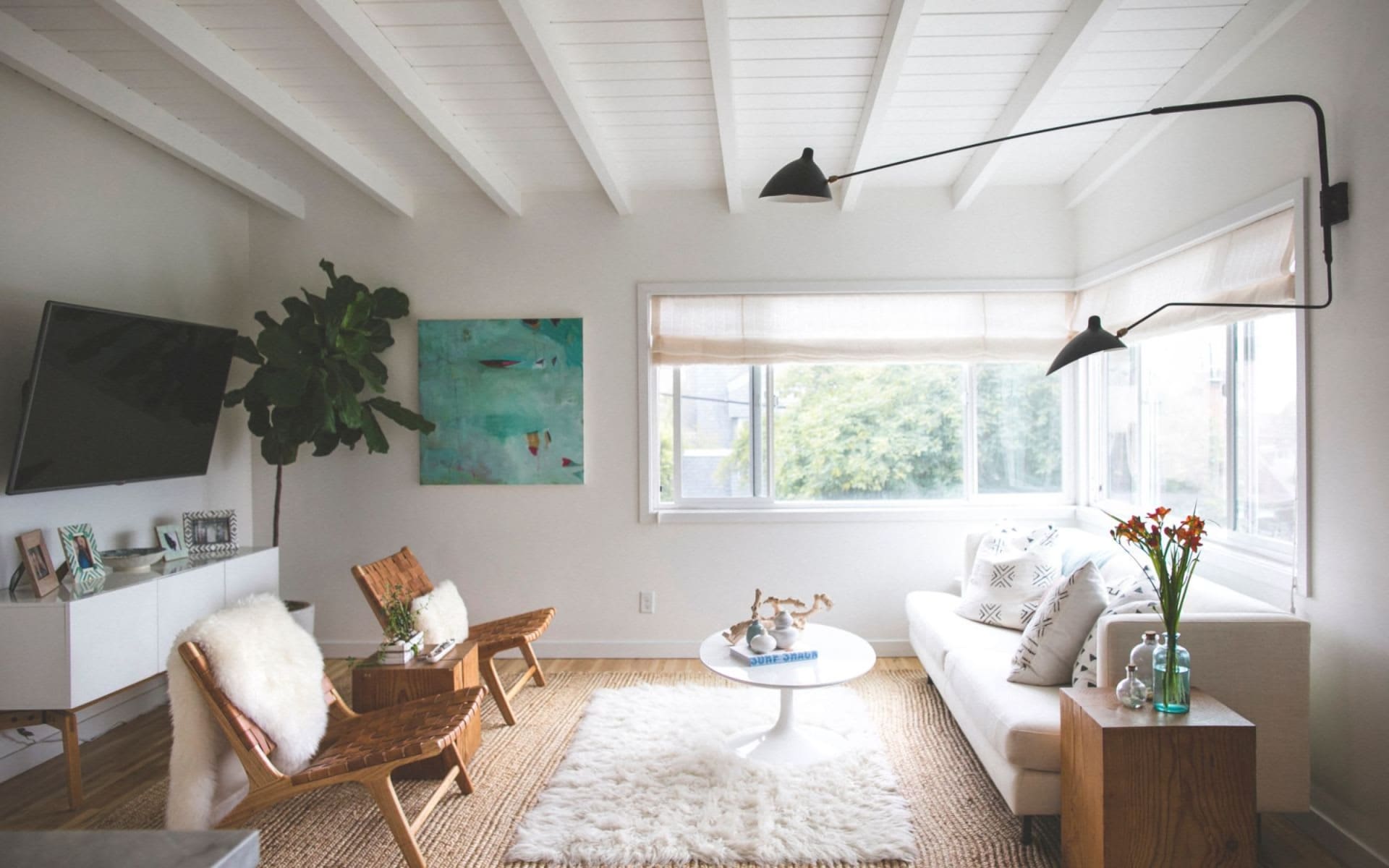
Interior designers often recommend selecting sofas and chairs with exposed legs instead of furniture that sits directly on the floor. While it may seem like a small detail, being able to see underneath your furniture allows more of the floor to remain visible, making the room appear larger and less crowded.
Furniture with raised legs creates a lighter, more open look by allowing your eye to travel across the room without interruption. This simple design technique helps improve the overall flow of the space and gives even compact living rooms a more spacious appearance.
To enhance this effect, consider pairing your seating with coffee tables or side tables made from glass or featuring open bases. These pieces allow light to move throughout the room while maintaining an uncluttered look.
On the other hand, oversized furniture with bulky bases or pieces that sit directly on the floor can make a room feel smaller than it actually is. Large sectionals, heavy furniture, and solid bases often block sight lines and visually reduce the amount of open floor space, creating a more enclosed feeling.
Choosing the right size furniture is just as important as the style. Rather than filling every available corner with seating, focus on selecting pieces that fit comfortably within the room. A streamlined sectional with a chaise or a well sized sofa can often provide plenty of seating while maintaining an open layout.
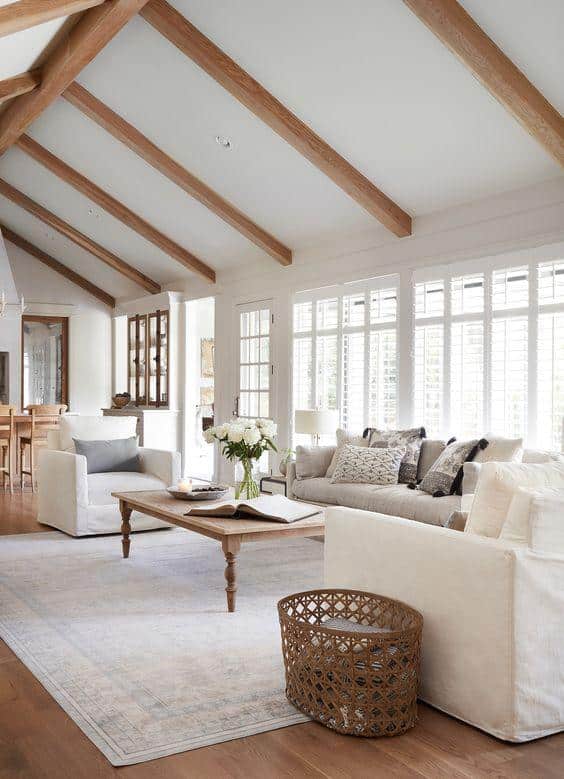
Area rugs also play an important role in making a room feel larger. Many homeowners make the mistake of choosing a rug that is too small, which can actually make the furniture appear oversized. A larger rug that extends beneath the front legs of your seating helps unify the space and creates the impression of a larger room.
Color and material choices can also make a significant difference. Light colored fabrics, reflective finishes, mirrors, and glass surfaces help brighten the room and make it feel more spacious. These elements naturally reflect light and reduce the visual weight of the furnishings.
Another often overlooked design tip is to draw attention upward. Hanging curtains closer to the ceiling, incorporating tall floor lamps, and using vertical artwork can make ceilings appear higher while giving the room a greater sense of height and openness.
Creating a beautiful living room is not about filling the space with more furniture. Instead, it is about making intentional design choices that maximize comfort, functionality, and visual balance. Even the smallest living rooms can feel stylish, welcoming, and surprisingly spacious with the right layout and carefully selected furnishings.
Whether you are preparing your home to sell or simply refreshing your current space, these simple design ideas can help create a living room that feels larger, brighter, and more enjoyable every day.