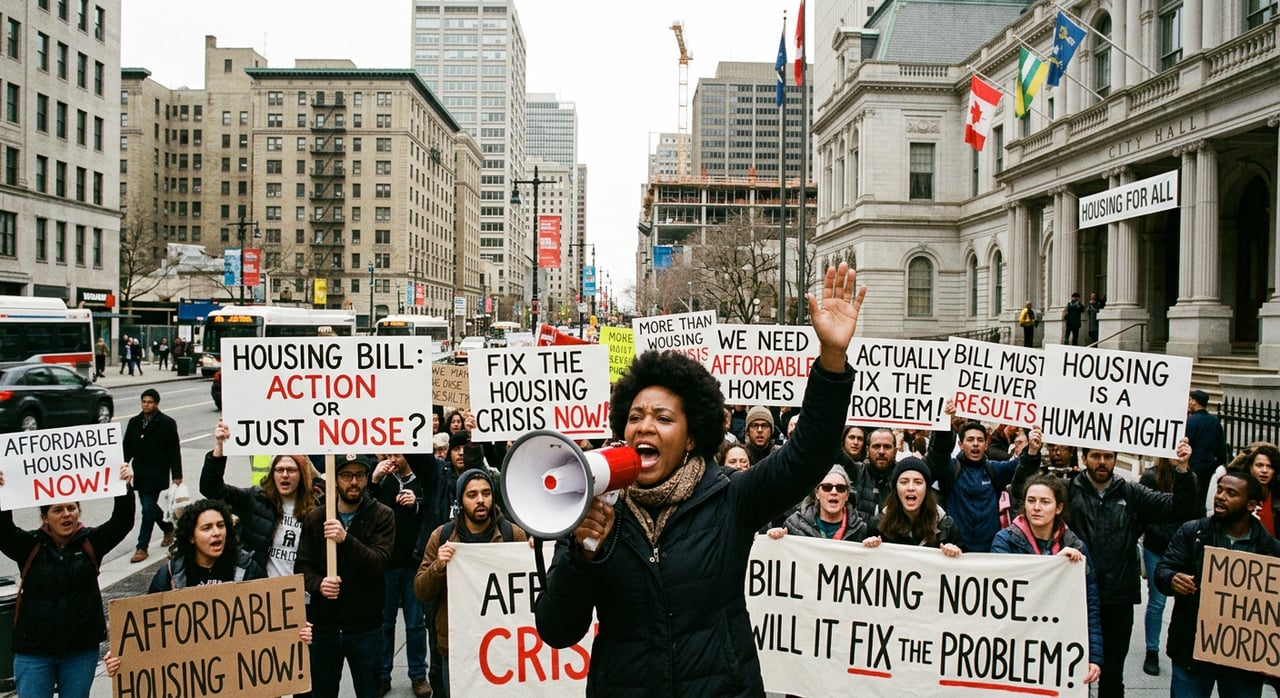
There is not a lot happening in Washington these days that gets both sides to agree, especially on something as big as housing. That is what makes the 21st Century ROAD to Housing Act worth paying attention to. It signals something important. Housing is no longer just a local issue. It is now a national priority.
At a high level, the goal is simple. We need more homes. That has been the core problem for years, and this bill tries to tackle it from multiple angles.
One of the biggest focuses is cutting through the red tape that slows down development. Permitting delays and regulatory hurdles have been a major issue, especially here in Florida. The bill aims to speed up federal review processes and encourage local governments to actually build more housing. It also ties federal funding to production, which means the communities that build more homes will be the ones that benefit the most.
It is not just about new construction either. The bill also pushes for converting underused office buildings and commercial spaces into housing. In areas where land is limited but demand keeps growing, like many parts of Florida, this could become a meaningful part of the solution.
Financing is another key piece. Updates to programs like FHA loans and the HOME Investment Partnerships Program are designed to expand access to credit. That matters, especially for buyers who are struggling to compete in today’s market. The bill also looks at smaller mortgage loans, which could help more entry level buyers get into homes.
Manufactured housing is also getting attention. For a lot of people, especially retirees and working families, it is one of the few affordable options left. Making it easier and more cost effective to build could help increase supply faster than traditional construction.
The bill also recognizes that we cannot just build new homes and ignore what already exists. Expanding programs that help preserve older affordable housing is a big part of the plan. In places like Florida, where aging properties are at risk of falling apart without reinvestment, this could make a real difference.
That said, not everything in the bill is getting universal support.
One of the more controversial pieces targets large institutional investors who own hundreds of single family rental homes. The proposal would require them to sell those homes to owner occupants after a certain period of time. The idea is to open more opportunities for individual buyers, which sounds great on paper.
But there are tradeoffs. Some industry groups argue that limiting investors could reduce rental inventory and make it harder for families who are not ready or able to buy. The reality is that most rental options today are apartments, and those do not always work for growing families who want more space.
It is also worth noting that institutional investors actually own a very small percentage of single family homes overall. In many cases, their involvement helped make large scale housing developments possible in the first place. So the bigger question becomes whether we are dealing with a shortage of homes or just a shortage of ownership opportunities.
There are also concerns around environmental review changes. While speeding up approvals can help get projects moving, there is a fine line between efficiency and cutting corners. Local communities are protective of their zoning and environmental standards, and any federal push in that direction is going to face resistance.
And then there is the bigger issue that no piece of legislation can fully solve. The cost to build. Labor shortages, rising material costs, and the economics of building entry level homes continue to be major challenges. Until it actually makes financial sense for builders to produce affordable homes at scale, supply will remain tight.
Stepping back, the numbers tell the story. The U.S. is short millions of homes, and the average first time buyer is now around 40 years old. That alone shows how far affordability has slipped.
This bill is one of the most significant housing efforts we have seen in years, and the level of bipartisan support behind it is notable. But passing legislation and actually changing the market are two very different things.
For markets like Sarasota and the rest of Southwest Florida, some of the smaller details in the bill could end up being just as important as the headlines. Things like disaster recovery support and manufactured housing changes could have a real local impact.
At the end of the day, this bill creates a framework and opens the door for progress. But whether it actually leads to more homes and better access to housing is something the market will decide over time.